You finish a job walk with a homeowner. You say, “I’ll pull the permit this week, and we’ll shut the power off Saturday.” You mean it. Then you drive to the next job.
By Friday the permit is a sticky note. The neighbor never got the text about the blocked driveway. Saturday, your crew shows up to a locked gate.
The work did not fail on the job site. It failed in the hour after.
What changed this week
On November 10, 2026, Anthropic held an event in San Francisco about how teams work with Claude. One piece was Claude Meetings. Anthropic’s own announcement says that, coming soon, Claude Meetings will let you add Claude to a call, take notes, and update your team’s documents during the conversation.
TechCrunch reported more on the same day. It says a beta is starting on Team and Enterprise plans, and at launch it works with Google Meet. It says Claude names itself as a meeting participant and posts a notice in the meeting chat. It also says Claude will not join a call with outside guests unless an admin allows it, and leaves on its own if an outside guest joins.
Those details come from TechCrunch. Anthropic’s pages do not list them yet.
Most shops will not use this one. Your day runs on the phone and at the job site, not on Google Meet with a business plan. And as I read TechCrunch, your customer counts as an outside guest. So the tool, as described, would not sit in on a call with your customer by default.
But the idea matters even if the product does not fit you.
A note is not a follow-up
A tool that writes down what was said is a good start. It is not the finish.
A follow-up is done when three things happen:
- The job board and calendar change. The permit task and the Saturday slot are in the system you already use.
- The customer or neighbor hears from you. The text goes out.
- You know what is yours. Your own list shows what you promised.
If the notes sit in a separate app, the same Friday happens. You just have better notes about it.
A made-up example
Say you run an electrical company in Pasadena. This is an example, not a real client.
You walk a panel upgrade with a homeowner. You agree to pull the permit this week, cut power Saturday morning, and warn the neighbor about the driveway.
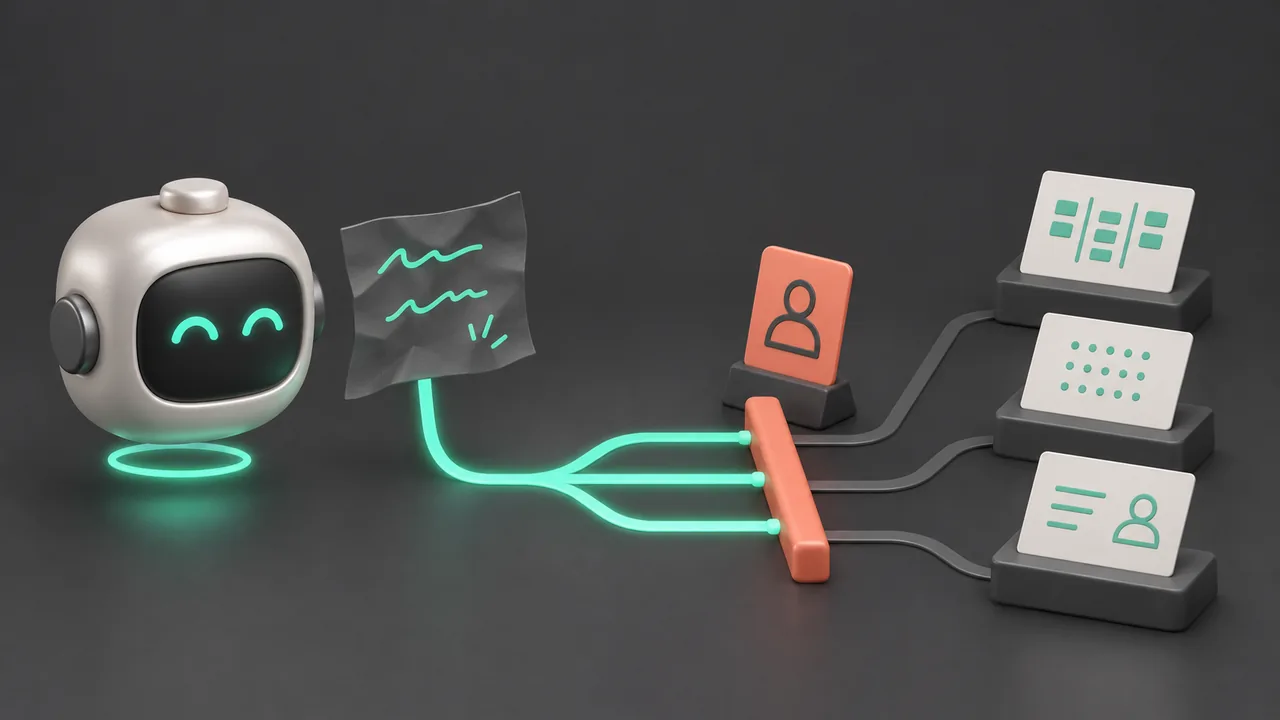
In a good setup, those three items turn into three drafts. One is a task on the job board. One is a calendar hold for Saturday. One is a text to the neighbor. Nothing goes anywhere yet. You read the drafts in the truck, fix one word, and tap approve.
That last step is the point. A person approves the schedule change and the text before they leave.
If anything listens, tell people first
California law makes it a crime to record a confidential conversation without the consent of all the people in it. That is Penal Code section 632. Section 632.7 applies the same all-party rule to calls on cell and cordless phones. A talk with a customer in their living room, or on their cell, can fall under one of these.
I am not a lawyer, and the details depend on the setting. The safe habit is simple. Say out loud that you are recording, or that an AI is taking notes. Get a yes before you start. Ask your lawyer if you are unsure.
Your one step this week
After your next job walk, spend five minutes writing the follow-ups yourself. Put them in three places: the job board, a text draft for the customer, and your own list.
Count how many you would have forgotten. That number tells you if this is worth fixing, and which of the three places leaks most.
When you want a version that fits your shop’s tools, see what we build or book a free call.
Sources
- Claude by Anthropic, More ways to work with Claude: Sheets, Whiteboards, and Interactive Connectors, November 10, 2026
- TechCrunch, Anthropic launches Claude Meetings to turn workplace discussions into plans and tasks, November 10, 2026
- California Legislative Information, Penal Code section 632, checked November 11, 2026
- California Legislative Information, Penal Code section 632.7, checked November 11, 2026